1. Work Through CREMAs and Protected Landscapes
What a CREMA actually is
A CREMA is a legally recognized governance structure where:
- Communities have formal authority to manage natural resources in their territory
- Land-use rules, harvesting rules, and conservation rules are set locally
- Traditional leaders, women's groups and youth groups collectively make decisions
- The Ghana Wildlife Division recognizes the CREMA as a legitimate environmental management body
- Communities can set by-laws, create patrol teams, and enforce protection of forests, wildlife and water bodies
By placing economic activity inside conservation governance, market incentives and biodiversity incentives stay aligned.
2. Co-Create Conservation Agreements
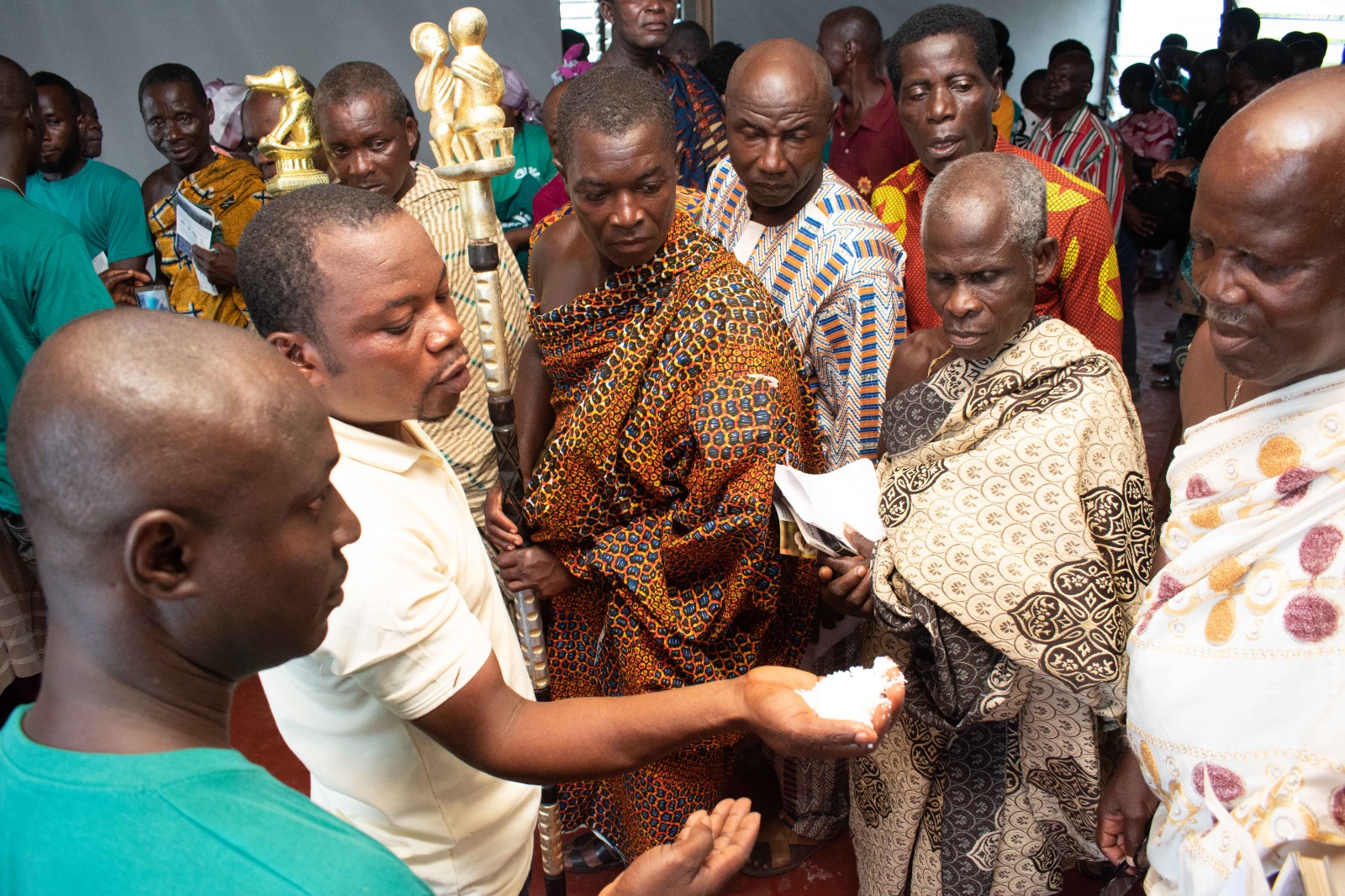
We sign multi-party Conservation Agreements with CREMAs, traditional authorities, and conservation NGOs such as A Rocha Ghana, WAPCA, and Noé.
These agreements create a shared mandate:
Communities commit to:
- forest protection and patrols
- reforestation and tree nurseries
- fire management and anti-logging enforcement
- sustainable harvesting guidelines
- biodiversity monitoring
SFC commits to:
- premium, stable markets
- direct financial flows into Conservation Funds
- fair and traceable pricing
- infrastructure that reduces ecological pressure
3. Turn Value Chains Into Conservation Finance
A portion of every kilogram of shea, coconut or baobab sourced in these landscapes funds:
- patrol teams
- reforestation and seedling nurseries
- CREMA governance structures
- biodiversity monitoring
- environmental education
- riparian-zone restoration
For buyers, a purchase order becomes a predictable biodiversity budget for the landscapes that grow their ingredients.
4. Install Infrastructure That Reduces Pressure
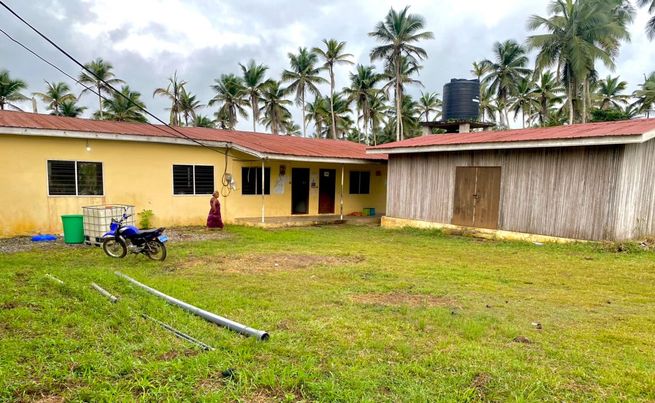
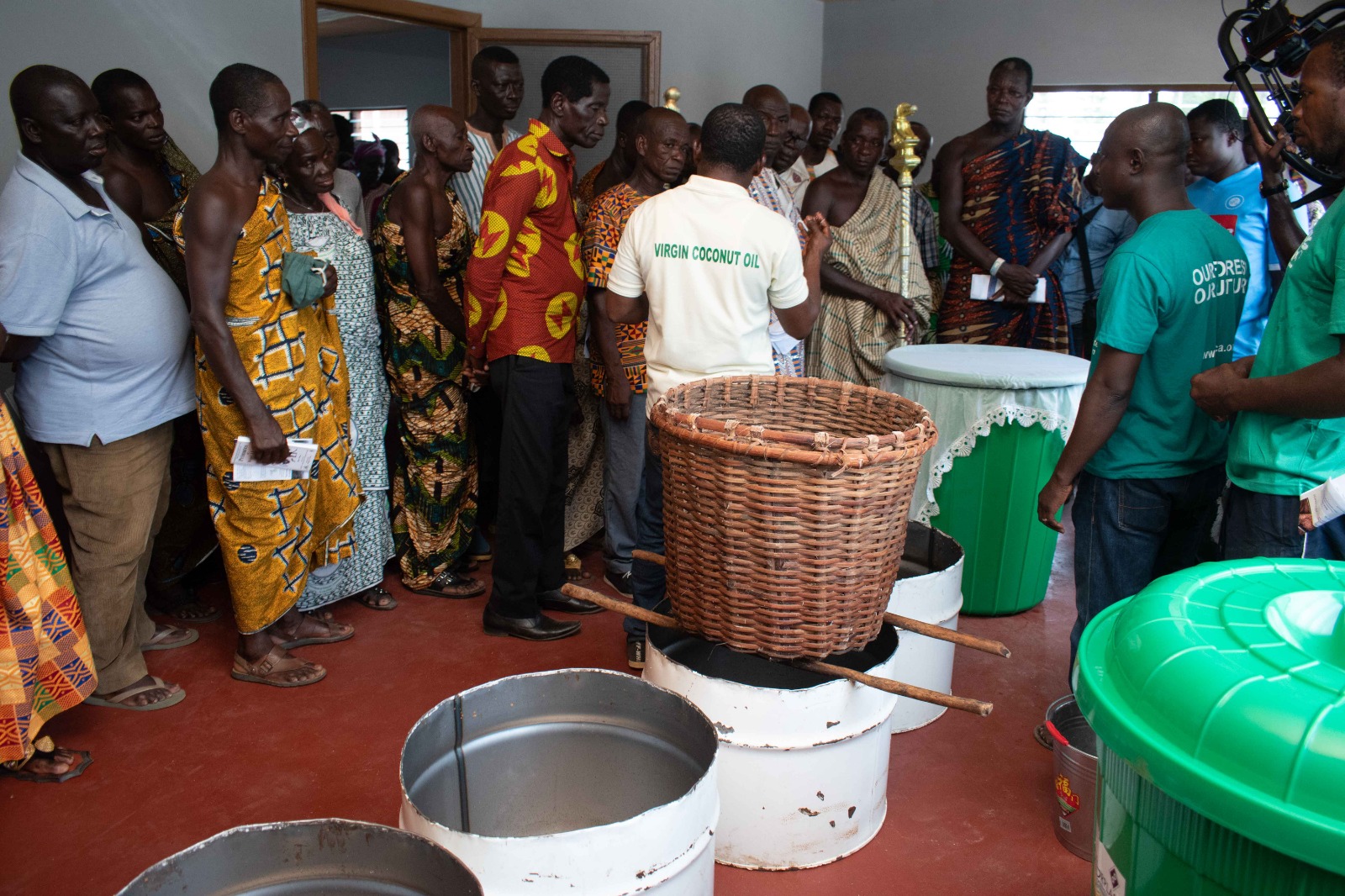
We invest in eco-processing centers powered by integrated renewable systems:
- 90% reduction in firewood use
- Reduced pressure on shea parklands
- Protection of native trees and wildlife habitat
- Cleaner, year-round income that competes with charcoal and logging
- Strengthened participation of women and youth as stewards of local ecosystems
What This Looks Like Inside Each Value Chain
Shea: Parklands That Fund Protection
Shea is the backbone of our business — and of millions of hectares of West African savannah.

Wechiau & Gbele: Organic Shea Inside Biodiversity Corridors
We source organic, hand-crafted shea from 1,600+ women in 40 communities across:
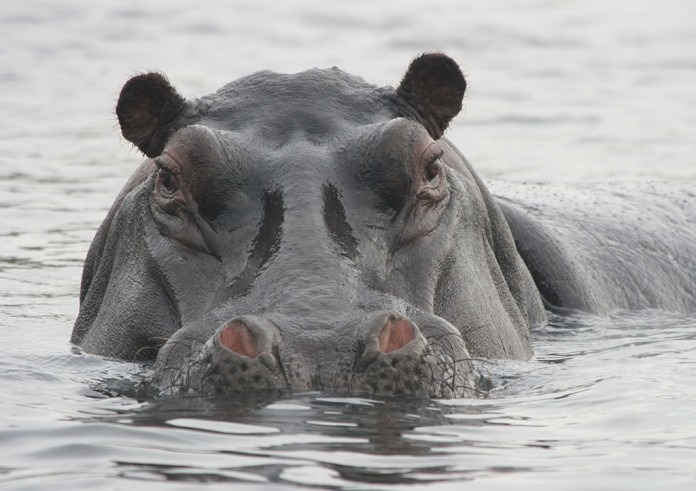
- Wechiau Community Hippo Sanctuary
- 40 km of the Black Volta
- One of Ghana's only remaining hippo populations
- 237 bird, 50 mammal & 32 reptile species
- CREMAs bordering Mole National Park
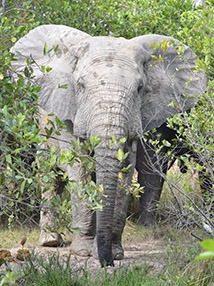
- Core habitat for elephants, antelopes, primates, savannah birds
- Gbele Resource Reserve
- Important Bird Area (176–194 species)
- Home to buffalo, roan antelope, baboons
By keeping shea competitive and organic, communities maintain parklands instead of clearing them.
Mole Landscape: Conservation Linked to Women's Income
Inside the Mole ecological landscape, we work through 120,000+ hectares of CREMAs with:
- Sunkpa Shea Cooperative (800+ women)
- A Rocha Ghana
- A tripartite Conservation Agreement that ties shea exports to restoration targets
Impact pillars:
- 700,000-seedling nursery restoring degraded areas
- Eco-processing centers in CREMA communities to compete with charcoal burning
- Participation in GSLERP, the Green Climate Fund–backed initiative for emissions reductions and savannah forest protection
Result: shea becomes an economic engine for patrols, CREMA governance, habitat restoration and wildlife protection.
Coconut: Rainforest Primates & Coastal Forests
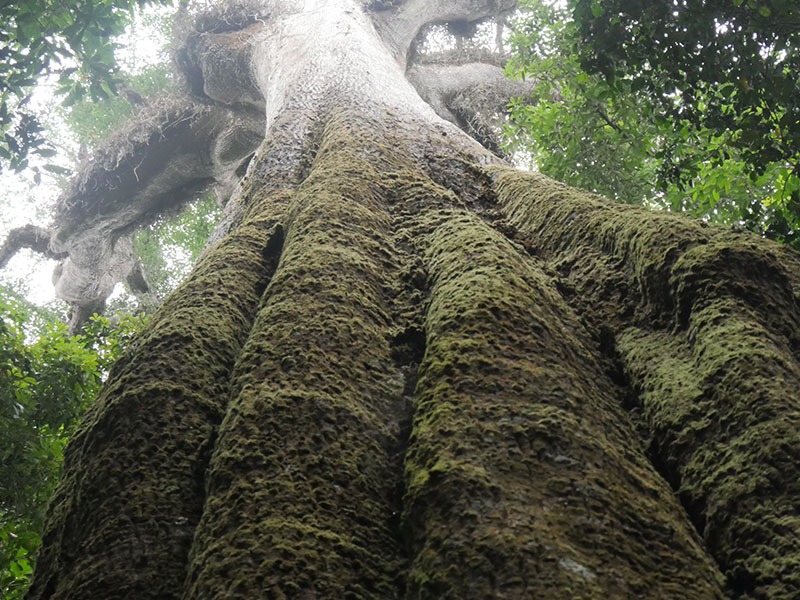
Our coconut value chain is built inside one of Ghana's most biodiverse landscapes — and explicitly designed to protect critically endangered primates.
Ankasa–Tano CREMA: Organic Centers for Women & Farmers
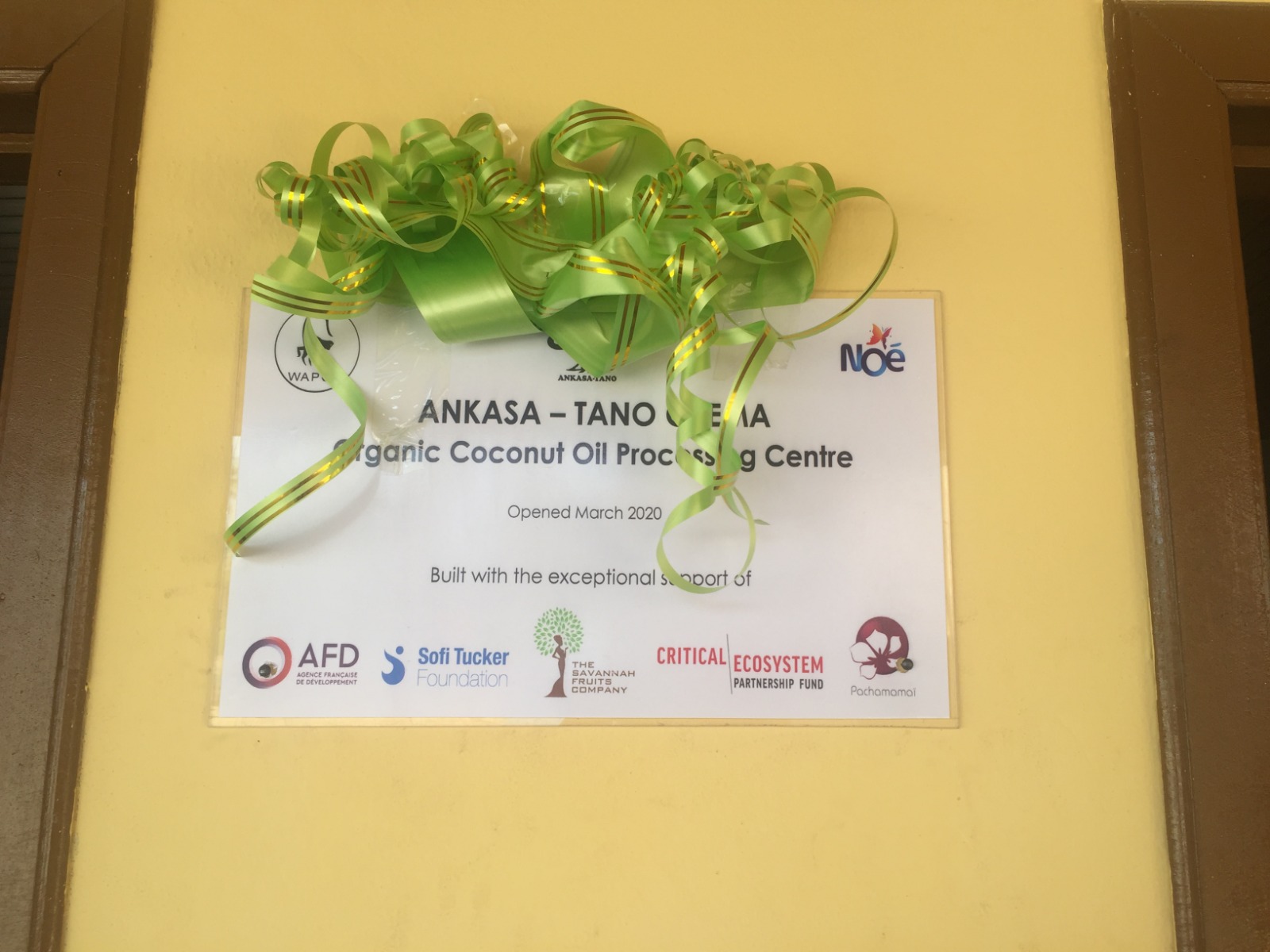
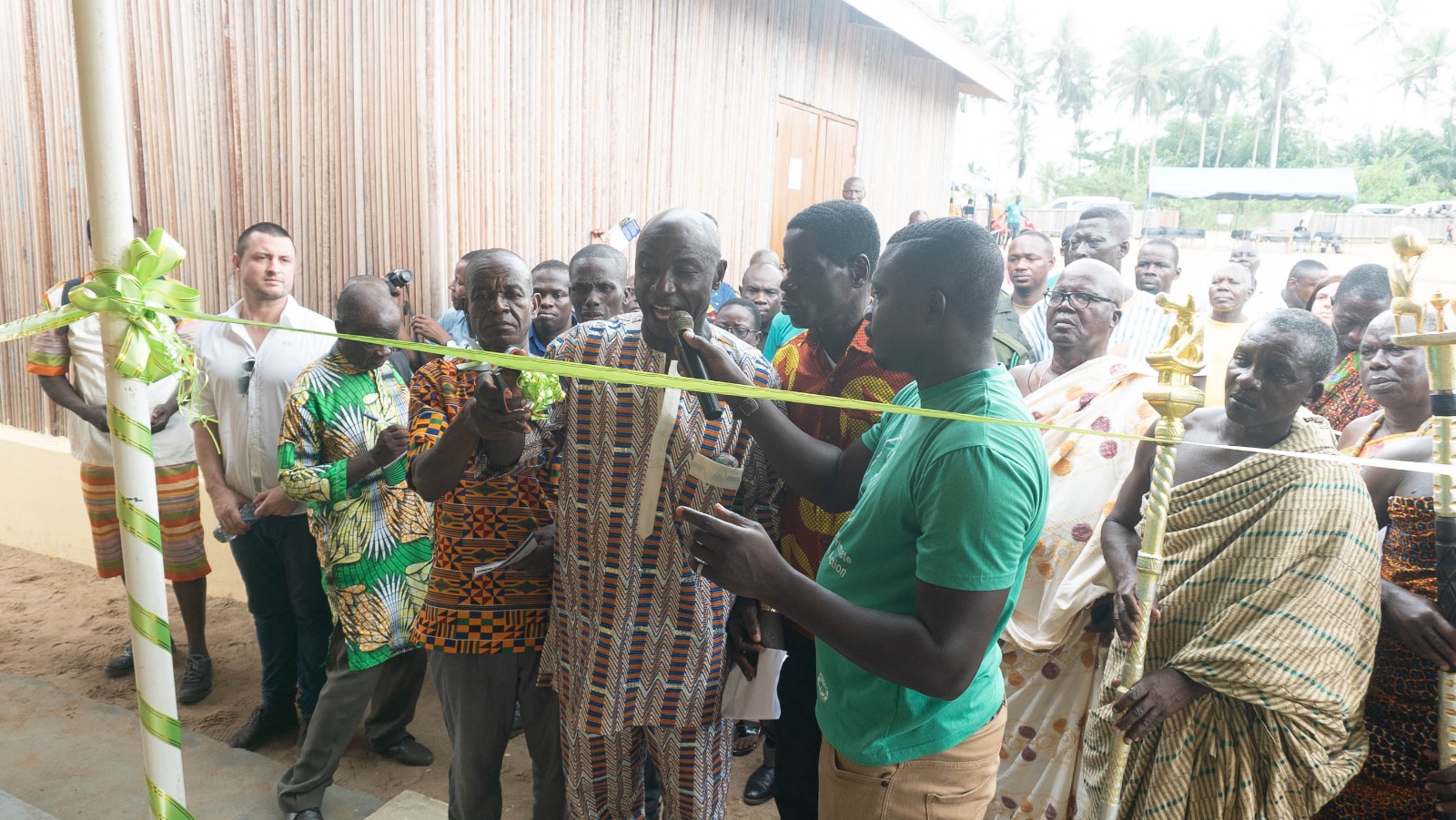
Together with WAPCA and Noé, we co-created two organic coconut oil centers in Jomoro:
- Ellenda (2020)
- Edobo (2024)
These centers:
- convert local coconuts into high-value, organic oils
- no new forest conversion
- reduced pressure on tree resources
- value addition to existing regenerative value chains
A simple cleansing product becomes part of a biodiversity-positive system.
Conservation Agreement & Conservation Fund
Farmers supply organic coconuts.
CREMAs enforce forest protection and reforestation.
SFC buys at a premium and pays a percentage into a dedicated Conservation Fund.
This is how a coconut purchase becomes financing for rainforest patrols.
Protecting Critically Endangered Primates
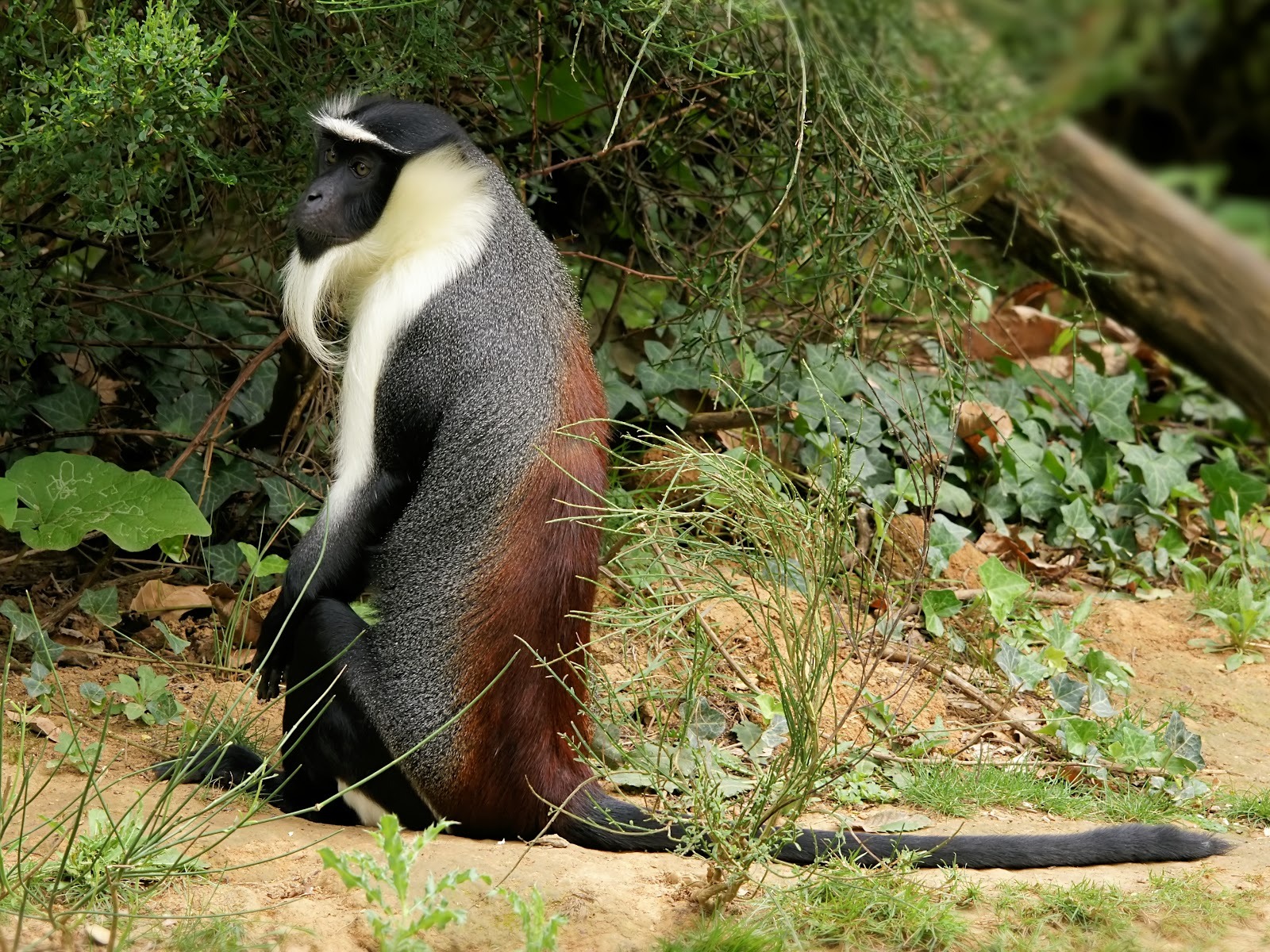
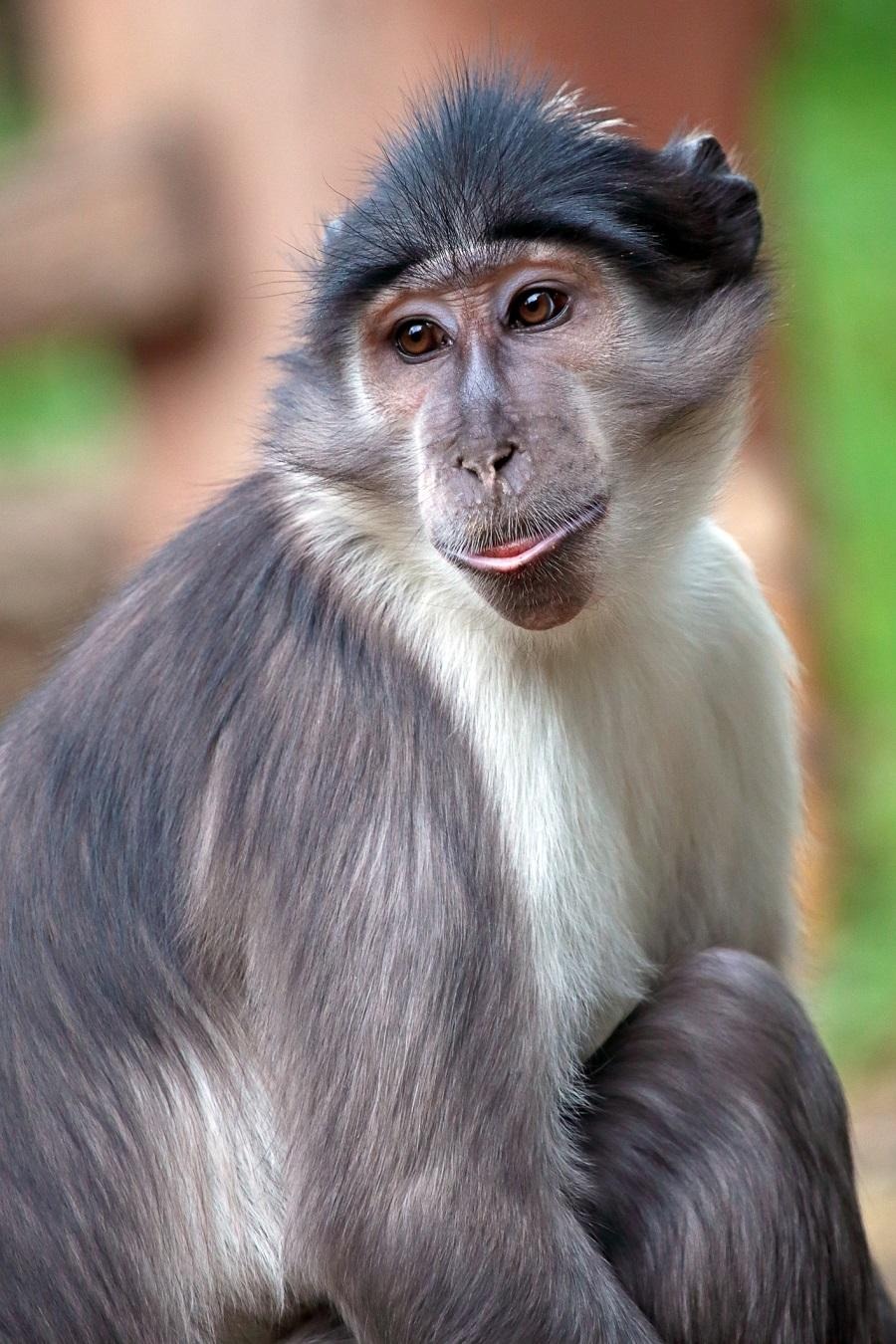
Our sourcing landscape overlaps habitat for:
- Roloway monkey (Critically Endangered)
- White-thighed colobus (Critically Endangered)
- White-naped mangabey (Endangered)
- Western chimpanzee populations
Keeping forests standing is the only way these primates survive — our buyers make that possible.

Baobab: Dryland Keystone Species & Women's Cooperatives
In northern Ghana's drylands, baobab trees are ecological keystones.
Our sourcing protects them.
Partnership with Widows and Orphans Movement (WOM)
Baobab oil production provides income to widows and vulnerable women — while keeping mature baobab trees standing as anchors for:
- birds
- insects and pollinators
- small mammals
- understorey vegetation
Integrated Into Landscape-Level Restoration
Baobab landscapes overlap with:
- shea parklands
- wildlife corridors
- savannah restoration zones
By embedding baobab into agroforestry and CREMA-based restoration, we prevent the pattern where income leads to tree clearing.
Instead, demand reinforces tree preservation and regeneration mosaics.
African Black Soap: Circular Inputs, Zero Forest Pressure
Our black soap sourcing uses:
- shea butter from conservation-linked cooperatives
- agricultural by-products (plantain skins, cocoa pods)
- no virgin biomass
This means:
- curb forest clearing
- create income alternatives to logging
- ensure traceability from farmer to export
Species & Landscapes Our Value Chains Help Protect
Our sourcing intersects with habitat for:
- Hippos in the Wechiau Sanctuary
- Savannah elephants & antelopes around Mole & Gbele
- 30+ Sudanian bird species across the savannah corridor
- Critically endangered primates in Ankasa–Tano & Kwabre
- Pollinators, birds & small mammals in baobab and shea ecosystems
Our role is not to manage protected areas —
our role is to ensure conservation is economically rational for the people who do.
What This Means for Customers & Partners
When you choose ingredients from SFC, you are investing in landscapes, not commodities.
You help finance:
- CREMA governance and patrol systems
- biodiversity monitoring and restoration
- tree nurseries and landscape regeneration
- economic alternatives to charcoal and illegal logging
- women-led cooperatives that manage natural resources across hundreds of thousands of hectares
For partners with uncompromising biodiversity standards, this is what responsible sourcing means:
value chains structurally wired to keep ecosystems — and the communities protecting them — alive.